When you should consult with a Gastro Care Specialist Doctor? A Guide by Dr. Md. Nadeem Parvez
Liver diseases encompass a wide range of conditions that can impair the liver’s ability to function properly. As the liver is a vital organ involved in numerous processes—such as detoxification, protein synthesis, and digestion—any damage or disruption to its functions can lead to various symptoms. Recognizing these symptoms early is crucial because liver diseases can range from mild and reversible conditions to severe, life-threatening illnesses. Here’s a comprehensive guide to the symptoms of liver diseases, why they occur, and how they are related to specific conditions.
1. Jaundice (Yellowing of Skin and Eyes)
One of the most recognizable symptoms of liver disease is jaundice, which occurs when there is an excess of bilirubin in the blood. Bilirubin is a yellow pigment that is produced when red blood cells are broken down. A healthy liver processes and removes bilirubin from the blood. However, when the liver is damaged or unable to function properly, bilirubin accumulates, causing the skin, eyes, and mucous membranes to turn yellow.
Jaundice is commonly associated with:
- Hepatitis (viral or autoimmune)
- Cirrhosis
- Liver cancer
- Biliary obstruction (such as from gallstones or tumors blocking bile ducts)
Other symptoms often accompanying jaundice include dark urine and pale stools, indicating a problem with bile production or excretion.
2. Fatigue and Weakness
Fatigue is a common and often early symptom of liver disease. It can range from mild tiredness to severe exhaustion that significantly impacts daily life. The liver plays a crucial role in regulating energy production and metabolism. When liver function is compromised, energy levels drop, leading to persistent fatigue. This symptom is prevalent in:
- Fatty liver disease (both alcoholic and non-alcoholic forms)
- Chronic hepatitis
- Cirrhosis
Fatigue can also occur due to the liver’s inability to detoxify the blood, leading to a buildup of toxins that affect the brain and body.
3. Abdominal Pain and Swelling
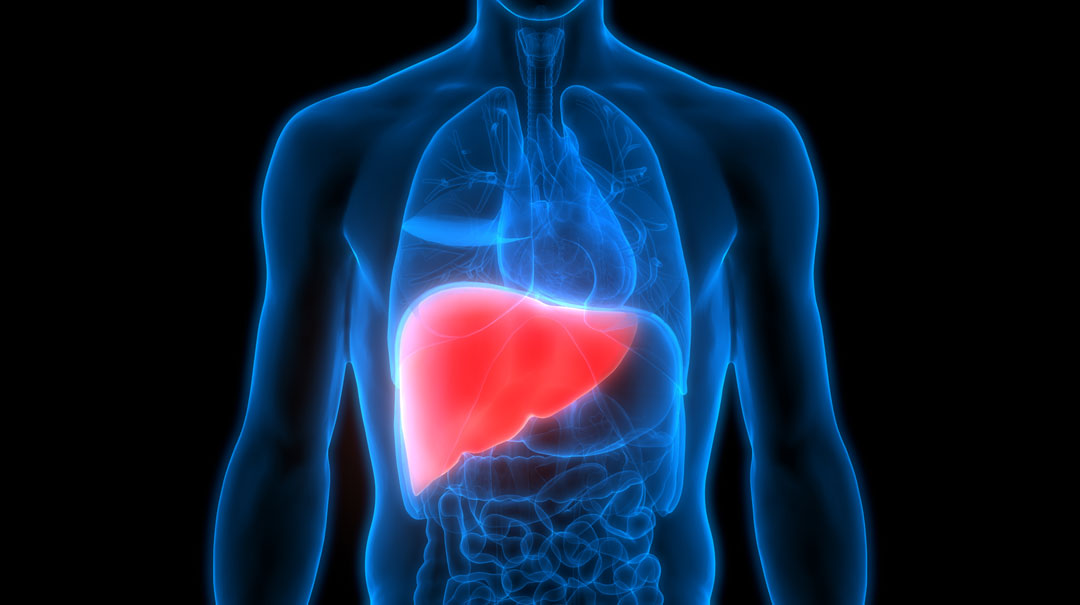
Abdominal pain, particularly in the upper right quadrant where the liver is located, can be a sign of liver disease. The pain may result from liver inflammation, stretching of the liver’s capsule (the tissue that surrounds the liver), or congestion in the blood vessels of the liver.
In addition to pain, abdominal swelling (ascites) is another common symptom. Ascites occurs when fluid accumulates in the abdominal cavity due to impaired liver function. This can cause bloating, discomfort, and difficulty breathing as the swollen abdomen presses against the diaphragm.
Conditions associated with abdominal pain and swelling include:
- Hepatitis (viral or alcoholic)
- Cirrhosis
- Liver cancer
- Portal hypertension (increased pressure in the veins that carry blood to the liver)
4. Nausea and Vomiting
Liver diseases can interfere with digestion and lead to gastrointestinal symptoms like nausea and vomiting. These symptoms are often related to bile production and the liver’s role in detoxifying harmful substances from the body. When liver function is compromised, the buildup of toxins can affect the digestive system and lead to nausea.
Nausea and vomiting can be signs of:
- Hepatitis
- Fatty liver disease
- Liver failure
- Biliary obstruction
5. Loss of Appetite and Unexplained Weight Loss
Loss of appetite is another common symptom of liver disease and is often accompanied by weight loss. The liver produces bile, which helps digest fats, and when its function is impaired, digestion becomes difficult, leading to a reduced appetite. Additionally, chronic liver diseases like cirrhosis or liver cancer can cause the body to metabolize nutrients inefficiently, leading to muscle wasting and unintentional weight loss.
Conditions associated with loss of appetite and weight loss include:
- Chronic hepatitis
- Cirrhosis
- Liver cancer
- Fatty liver disease
6. Swollen Legs and Ankles (Edema)
Liver diseases can cause fluid retention, leading to swelling in the legs and ankles, known as edema. This swelling results from reduced protein production by the liver, particularly albumin, which helps regulate fluid levels in the blood. When albumin levels drop, fluid leaks out of the blood vessels and accumulates in the tissues of the legs and ankles.
Edema is commonly seen in:
- Cirrhosis
- Liver failure
- Hepatitis
- Liver cancer
7. Bruising and Bleeding Easily
The liver produces proteins essential for blood clotting. When the liver is damaged or diseased, its ability to produce these clotting factors is reduced, making individuals prone to easy bruising and bleeding. Even minor injuries can result in significant bruising, and nosebleeds or bleeding gums may occur more frequently.
Liver conditions that cause easy bruising and bleeding include:
- Cirrhosis
- Chronic hepatitis
- Liver failure
8. Itchy Skin (Pruritus)
Itchy skin, or pruritus, is a less common but notable symptom of liver disease. It is often associated with cholestasis, a condition in which bile flow from the liver is slowed or blocked. The buildup of bile salts in the skin can lead to intense itching, often without a visible rash. This symptom is particularly prevalent in:
- Primary biliary cholangitis (an autoimmune liver disease)
- Primary sclerosing cholangitis
- Cirrhosis
Itching can be severe and impact sleep and quality of life, particularly in the advanced stages of liver disease.
9. Dark Urine and Pale Stools
Changes in urine and stool color can indicate a problem with liver function. Dark urine is a result of high bilirubin levels, which is often a sign of jaundice. On the other hand, pale or clay-colored stools occur when there is a lack of bile in the digestive system due to biliary obstruction or liver dysfunction.
These symptoms are commonly associated with:
- Hepatitis
- Cirrhosis
- Biliary tract diseases
10. Confusion or Mental Fog (Hepatic Encephalopathy)
Hepatic encephalopathy is a serious neurological condition that results from the liver’s inability to remove toxins from the blood, particularly ammonia. As toxins accumulate, they affect brain function, leading to symptoms like confusion, forgetfulness, personality changes, difficulty concentrating, and, in severe cases, coma.
This symptom is often seen in:
- Liver failure
- Cirrhosis
- Advanced hepatitis
Hepatic encephalopathy can be life-threatening and requires immediate medical attention.
11. Spider Angiomas (Spider-Like Blood Vessels)
Spider angiomas are small, spider-like blood vessels visible on the skin, typically on the face, neck, upper chest, and arms. They occur due to elevated estrogen levels, which is often a consequence of liver dysfunction, as the liver plays a role in hormone metabolism. These visible blood vessels are commonly associated with:
- Cirrhosis
- Chronic liver disease
12. Gynecomastia (Enlarged Breast Tissue in Men)
Gynecomastia, or the enlargement of breast tissue in men, can occur in the presence of liver disease due to hormonal imbalances. The liver is responsible for metabolizing and regulating hormones, including estrogen. When the liver is damaged, estrogen levels can increase, leading to gynecomastia. This symptom is most commonly associated with:
- Cirrhosis
- Alcoholic liver disease
13. Chronic or Persistent Fevers
A fever that persists over time may indicate an infection or inflammation of the liver. It can also be a sign of more severe conditions, such as liver abscesses or bile duct infections. Infections of the liver or surrounding tissues often cause fever, chills, and abdominal pain.
Conditions associated with fevers include:
- Liver abscess
- Hepatitis
- Cholangitis (infection of the bile ducts)